
Your Mission Continues
3:00ATTENTION, SOLDIER! Your service may have ended, but your mission is just beginning. You've been trained by the world's most elite organization. You've faced challenges that would break most civilians. And now, it's time to deploy those skills in a new theater of operations: the business world.
The statistics don't lie: veterans are twice as likely to start a business as non-veterans, and veteran-owned businesses have higher survival rates. This isn't luck—it's the direct result of the training, discipline, and experience you've gained through your service.
The Veteran Advantage
Every day in the military, you developed skills that most business schools can only dream of teaching. While civilians read case studies about leadership, you lived it. While MBA students simulate crisis management scenarios, you made real decisions under real pressure with real consequences.
The qualities that made you an effective service member—discipline, leadership, adaptability, strategic thinking, and the ability to execute under pressure—are exactly what separates successful entrepreneurs from those who fail.
Five Core Veteran Strengths
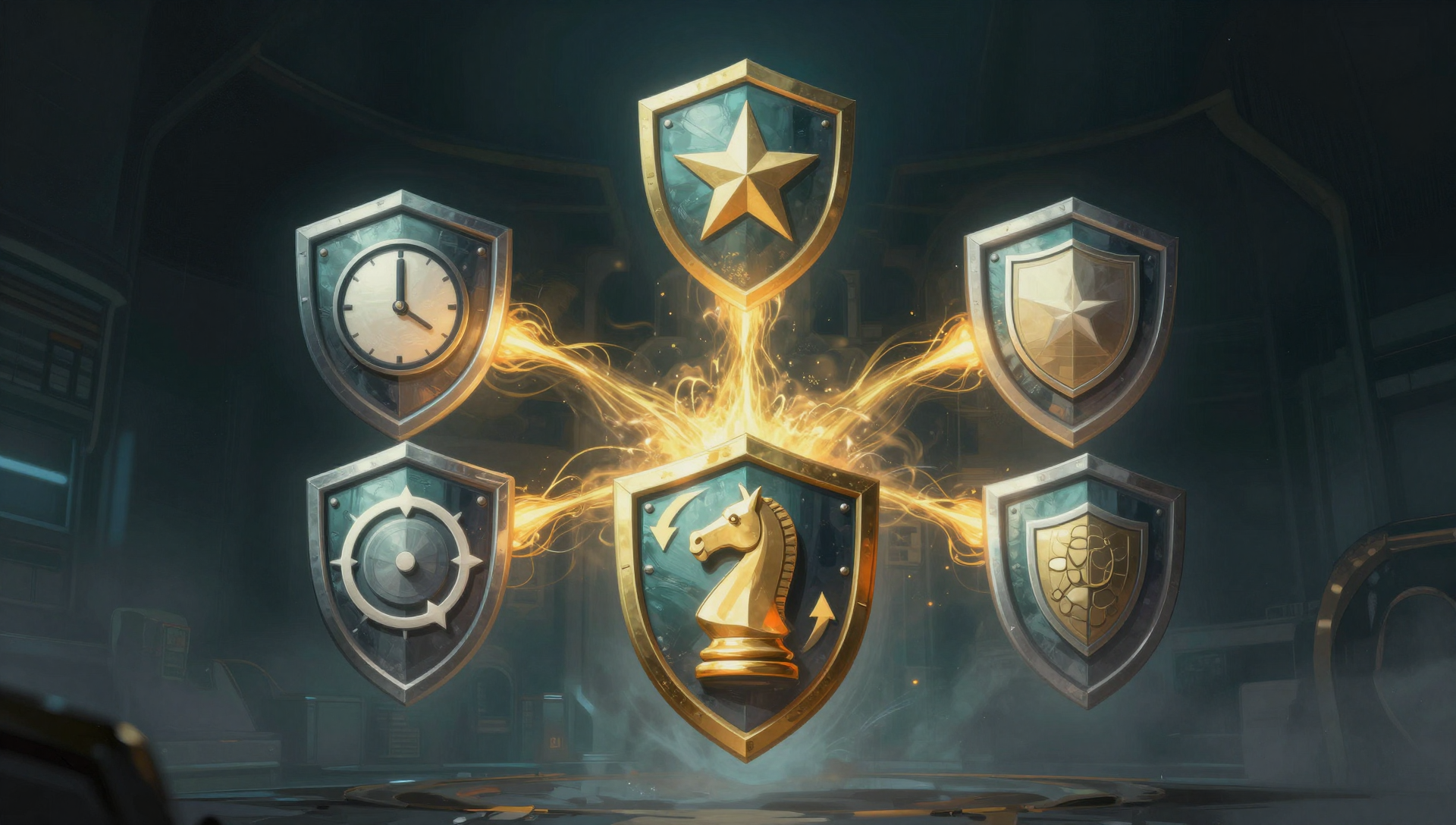
- Discipline and Work Ethic: You show up. Every day. No excuses. This alone puts you ahead of 90% of aspiring entrepreneurs.
- Leadership Under Pressure: You've led teams when failure meant more than losing money. Business challenges pale in comparison.
- Adaptability and Problem-Solving: Military operations rarely go according to plan. You've learned to adapt, improvise, and overcome.
- Strategic Planning: From mission briefings to after-action reviews, you understand how to plan, execute, and learn.
- Risk Management: You've assessed threats and made calculated decisions. In business, this translates to smart risk-taking.
The Numbers Don't Lie
According to the U.S. Small Business Administration, there are over 2.5 million veteran-owned businesses in the United States, generating over $1 trillion in annual receipts. Veterans are starting businesses at rates significantly higher than the general population, and their businesses show remarkable resilience.
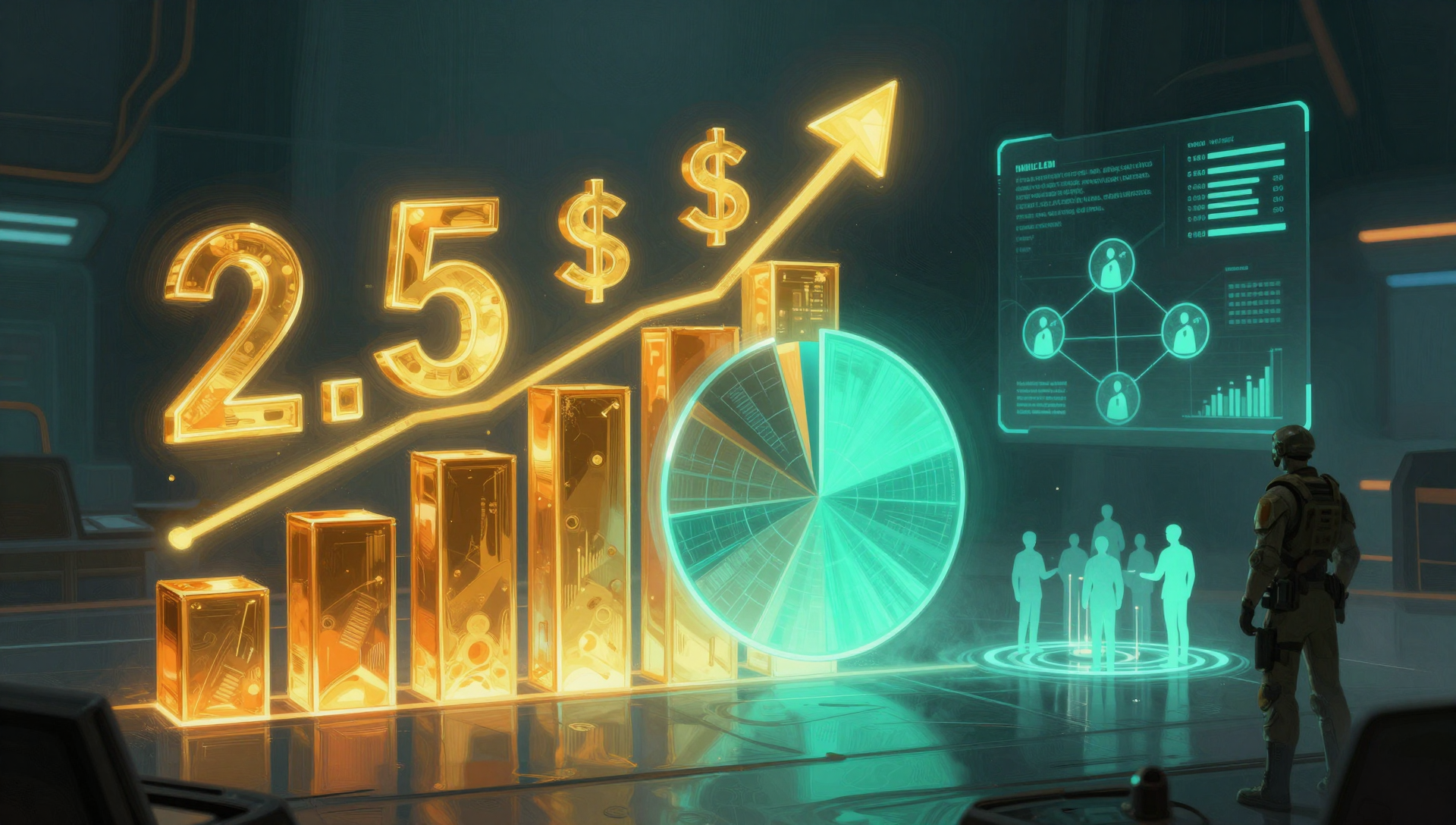
- Veterans are 2x more likely to start a business than non-veterans
- Veteran-owned businesses have a higher 5-year survival rate than average
- 9.1% of all U.S. businesses are veteran-owned
- Veteran entrepreneurs employ 5.8 million Americans
When I left the Army after 12 years, I was terrified of the civilian world. But I realized quickly that everything I needed to succeed in business, I'd already learned. The structure, the discipline, the ability to lead—it was all there. I just had to apply it differently.— Marcus T., Army Veteran, Founder, SecureOps Consulting
Your Competitive Edge
In the business world, you're not starting from zero—you're starting from a position of strength. The challenges you've overcome, the leadership you've demonstrated, and the skills you've developed give you a competitive edge that no civilian business program can replicate.
Summary
Your military service has equipped you with skills that give you a significant advantage in entrepreneurship. Discipline, leadership, adaptability, strategic thinking, and risk management are the exact qualities that separate successful business owners from those who fail. The statistics confirm it: veterans start more businesses and those businesses survive longer.
Veteran Strengths Matrix
Discipline
Leadership
Adaptability
Strategic Thinking
Risk Management
Resilience
- Veterans are twice as likely to start businesses and have higher success rates
- Military training develops the exact skills needed for entrepreneurship
- Your experience is an asset—translate it into business language and own it
- Over 2.5 million veteran-owned businesses prove the veteran advantage is real